

Summarize this article with
Without the right character development tools, you’ll end up with a flat character that no one remembers after closing the book. For memorable characters, you need realistic personalities, motivations, fears, relationships, and arcs, and remembering that throughout an entire novel, game, or screenplay is where most authors find trouble. I’ve run each tool below through its paces to see what really works in 2026, including writing programs, AI tools, organization apps, and 3D suites.
Table of Contents
What Is Character Development?
Character Development is the process of creating a fictional human being that appears real: a personality, a past, specific fears and wants, dynamic relationships, and a journey from how they begin to how they end up. This isn’t the creation of just a character’s physical appearance and then moving on a developed character will continue to evolve because the plot of the story actively afflicts their wants and fears. The features can include profiles, backstory, relationship webs, family trees, dialogue, and brainstorming with AI.
Best Character Development Tools at a Glance
Tool Best For AI Features Free Option
| Tool | Best For | AI Features | Free Option |
|---|---|---|---|
| Campfire Writing | Detailed character sheets and arcs | Yes | Yes |
| Sudowrite | AI-assisted fiction and dialogue | Yes | Trial |
| NovelCrafter | Novel writing with AI story bibles | Yes | Trial |
| Plottr | Characters tied to plot structure | Limited | Trial |
| World Anvil | Characters plus worldbuilding | Some | Yes |
| Scrivener | Character notes beside the manuscript | Limited | Trial |
| Storyist | Structured character and story planning | Limited | Trial |
| Character.AI | Testing personality and dialogue | Yes | Yes |
| ChatGPT | Character brainstorming | Yes | Yes |
| NovelAI | AI-assisted fiction and lore | Yes | Trial |
| Notion | Custom character databases | Yes | Yes |
| Obsidian | Linked character notes | Via plugins | Yes |
| Milanote | Visual character planning | Some | Yes |
| Blender | 3D and visual character creation | Limited | Yes |
| Maya | Professional 3D character rigging | Limited | No |
Best Character Development Tools for Writers
Campfire Writing
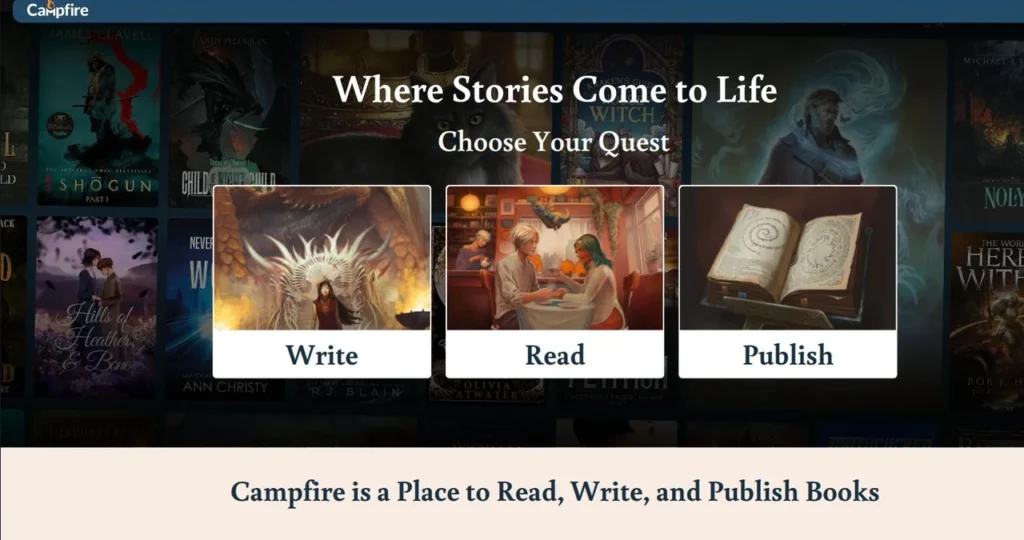
Detailed character sheets, 100+ trait prompts, visual relationship charts, an Arcs Module for tracking change over time. Built exclusively for fiction, which shows.
Sudowrite
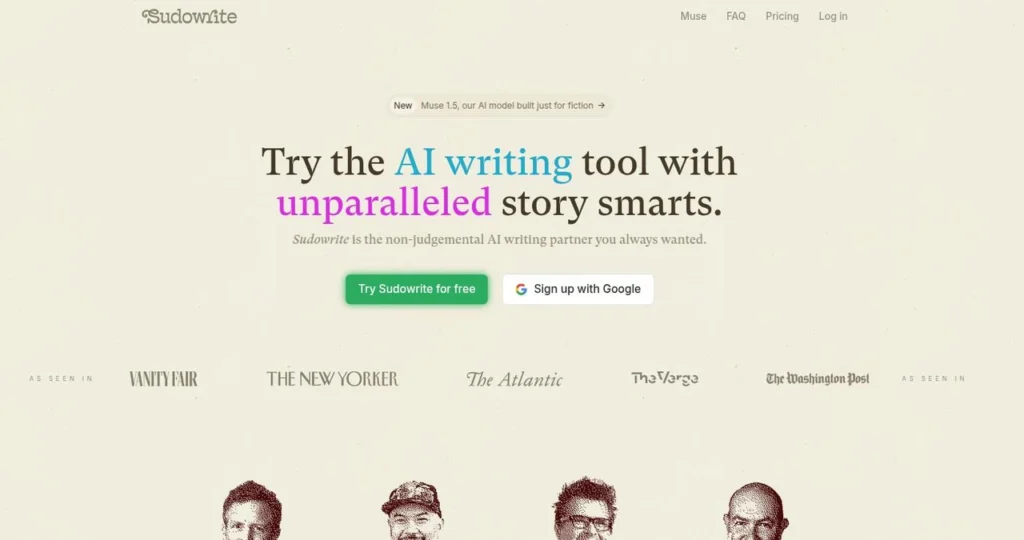
Characters section determines the sample character and creates the generated character dialog and gambits. The Story Bible is able to generate character information based on a simple synopsis.
NovelCrafter
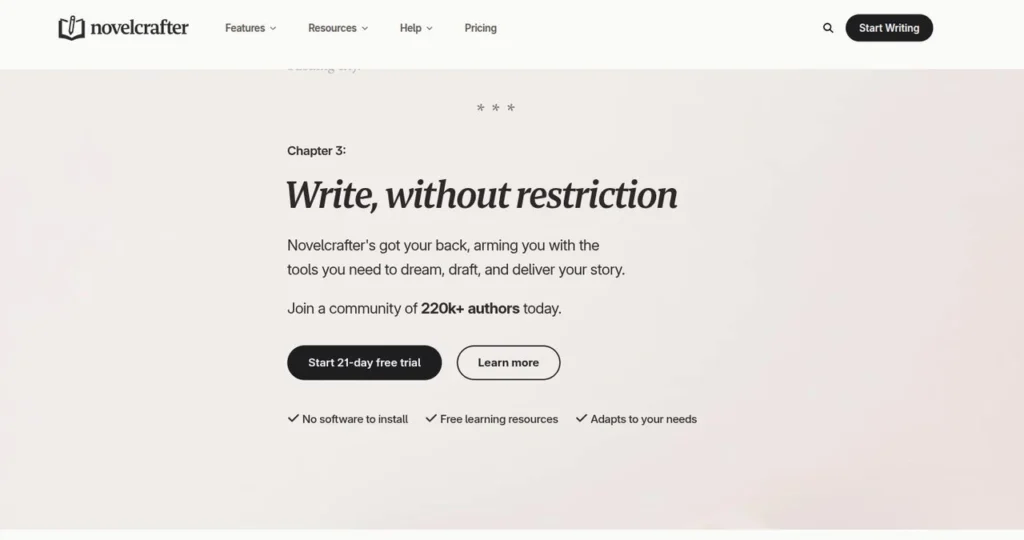
Stores character details, world aspects, and AI-supported drafting, which helps consistency hold up as a manuscript expands beyond the first act. More recent entries such as Storyflow replicate this strategy, combining character sheets with one shared story bible.
Plottr
Mainly a visual story-mapper, but its way of tying characters to the plot is helpful: you can visualize where each character is at what time in which books.

World Anvil
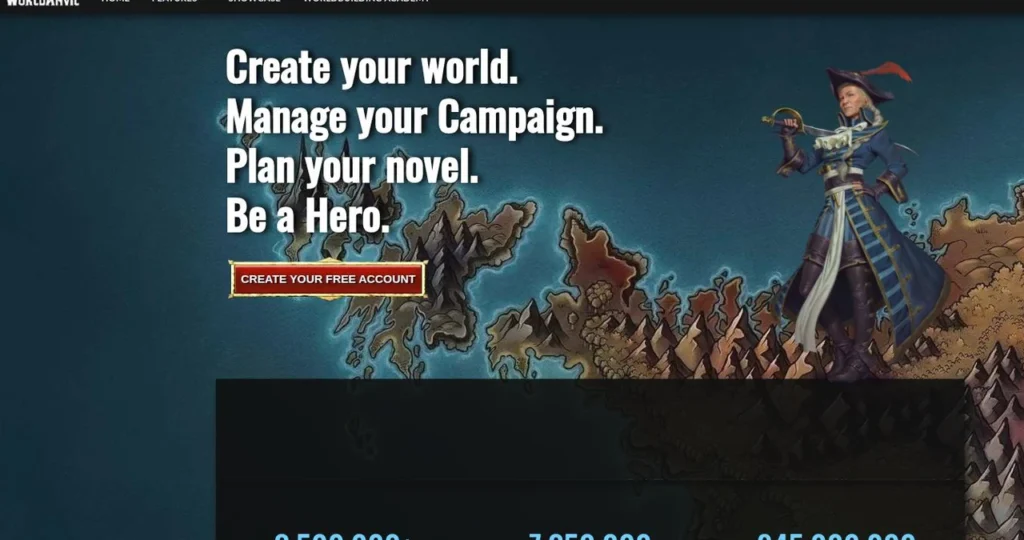
To help a character that requires a larger universe around them, Right Pick defines people, places, family ties, and social contacts all on one page.
Scrivener
Character notes appear on the same project as the manuscript; handy but effort-intensive- character development isn’t the main focus of the program.

Storyist
Fuses traditional manuscript writing with a more organized method of character sheets and plot planning, Mac-native, and works well for those writers who prefer a pre-existing system of writing.

Best AI Character Development Tools
Character.AI
Allows creators to develop an AI Character with a name, backstory, and attitude. It can then be interacted with directly, helping you run usability testing of a voice.

ChatGPT
Works most effectively as a brainstorming collaborator: pose specific questions relating to a character’s desires, fears, and inconsistencies rather than expecting it to generate a character; then edit the results according to your needs.

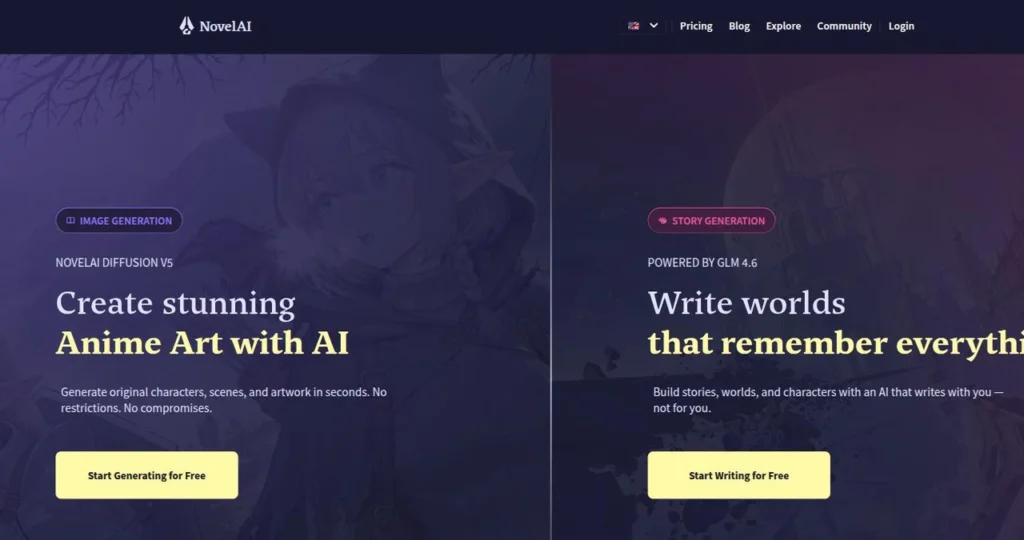
NovelAI
Optimizes an AI-aided storytelling platform rather than a database of story components. Produces narrative text as writers navigate characters and plot interdependently (by far the most common approach among fantasy and sci-fi writers).
Best Character Organization Tools
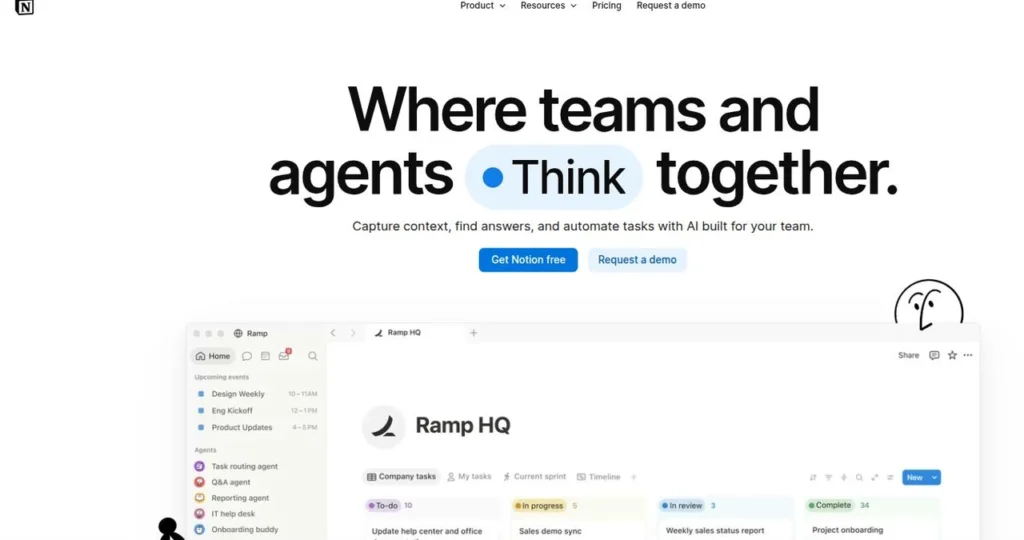
Notion
Not designed for characters per se; however, the databases are adaptable enough that they could relate personality, goals, fears, and interactions with other characters to scenes or even chapters. However, time must be invested in a setup.
Obsidian
Linked notes enable a character to be linked to family, where they are, and the scenes that involve them, through a graph that is accessible to the user a construct that resembles the way in which a complicated narrative model actually works.

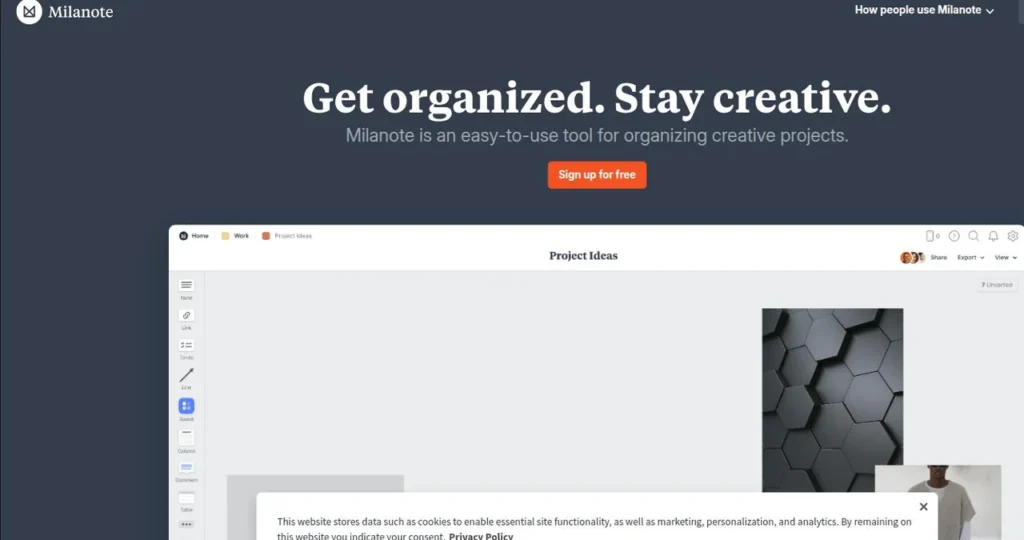
Milanote
Suits writers who create characters visually. The use of images, colors, and mood boards rather than definite fields is very strong. Great for visual storytellers and comic creators.
Professional 3D Character Creation Tools
Blender
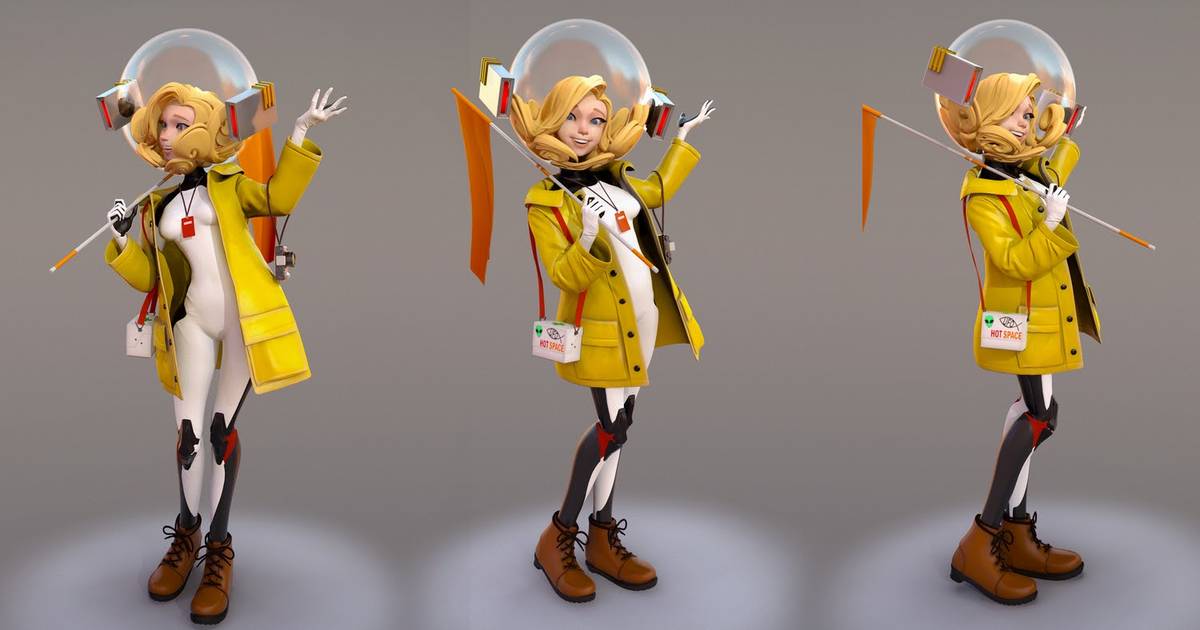
Covers almost all the same things that professional suites provide… At no cost, with a very user-friendly interface now. This 3D character modeling guide is a good starting point.

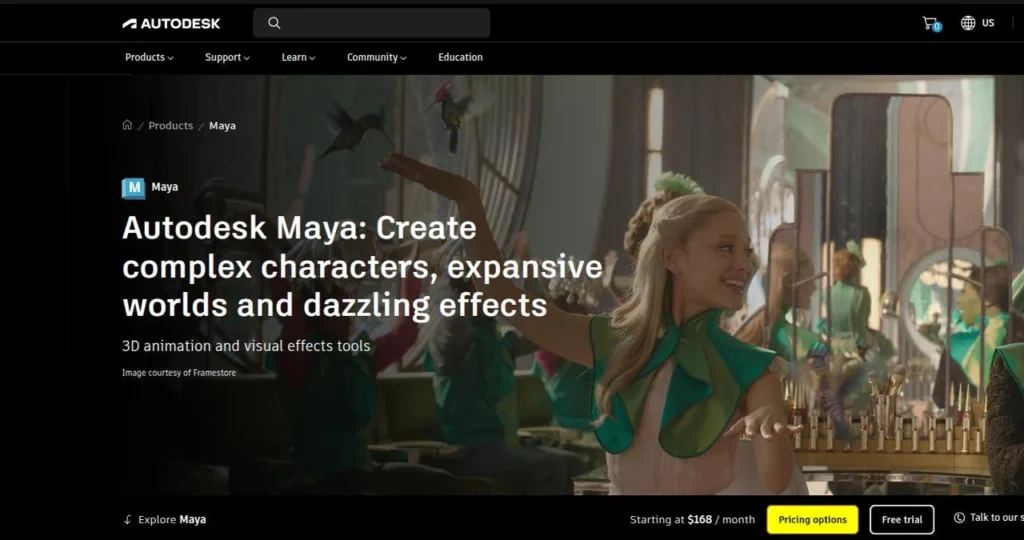
Maya
The standard studio…almost all AAA games and movies have helped shape it. Overwhelming at first, but the control makes the effort pay off.
Character Creator 4
Catches both the beginner and professional at the same time with built-in rigging. A good middle-of-the-road choice when you don’t have a dedicated 3d person on staff.

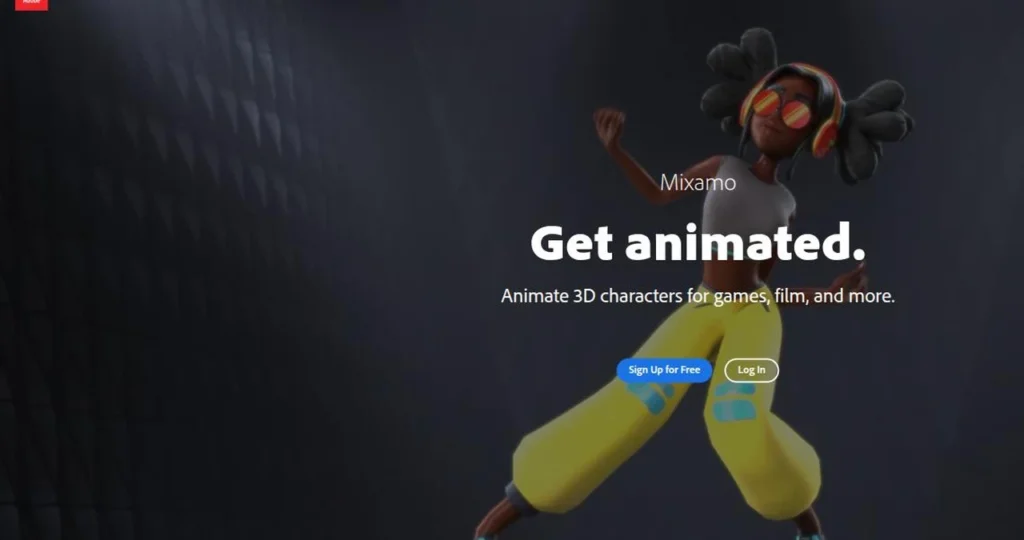
Mixamo
Animated 3D models automatically when a design is locked, revolutionizing the process by reducing the hours traditionally spent creating rigs from existing models to minutes.
Best Free Character Development Tools
Blender provides free 3D character creation, which can be comparable with paying tools for most indie things. Notion and Milanote remain free for solo use, and World Anvil and Character. AI also provides working free tiers that become paid when you get more serious. For most writers who are just beginning to formalize a character procedure, the free tool is enough to test out the workflow before investing.
How I Tested and Compared These Tools
I built the same character profile and supporting antagonist with a single want and one unresolved relationship for the character in the story, then watched to see how much depth survived once implemented into a scene. For the AI tools, I input the same backstory and dialogue prompt, then compared the amount of editing that needed to be done afterward. Value and free-up limits were noted from each website.
How I Choose the Right Tool for My Project
I stick to 2 tools max: 1 for brainstorming, 1 for tracking detail. Reedsy’s character creation structure is a useful sanity-check before investing in software, and Kindlepreneur’s author-approved AI writing programs are likewise worth a look before paying for a new subscription.
Character Development Tools vs. Character Generators
A character generator is a quick launch pad that includes a name, a look, and a few concepts in just seconds. A character development tool might include a character’s motivation, connections, and story arc over the course of a story, evolving as the character changes. Most stories need both at different points: either a character generator to get over the initial writer’s block, or a character development tool so that the initial idea doesn’t seem flaccid once the story starts playing with it.
How to Develop a Character Using AI and Character Software
Begin with the character’s core desire, and the fear standing in the way of it. An AI tool can be used to produce many variations, as in the highest friction case, and then record the resulting traits into an easy-to-use structure to ensure consistency. These writing prompts lend themselves to an introductory practice game, then repeating the same process on the entire novel.
Common Character Development Mistakes
Motivation that doesn’t go beyond ‘wants to win’ is applicable to everybody, which makes it appeal to nobody. Skipping contradiction is a close second as an example; a character who is always courageous is uninteresting next to a character who is courageous in front of others and cowardly in private. Other examples are backstory info-dumping, inconsistent dialogue voice, and characters who leave the story unchanged. A more subtle problem arises with cast members when one identity responds to a situation similarly to others or other identities; this, however, is eased considerably with a human run-through for contradiction and consistency.
Frequently Asked Questions
Is there a better way to develop character?
Campfire Writing is the strongest pick if you need sheets, relationship webs, and arc tracking in one place.
What is the leading AI tool for developing character?
Sudowrite for guiding the generated dialogue and text; Character. AI to try out responses as the character.
Which free character development tool is most effective?
Blender for doing 3D work, Notion for a text-based character database.
Which program is used for character creation?
Personal writing tools used regularly include Campfire Writing, Scrivener, Notion, NovelCrafter, and ChatGPT for brainstorming.
Can AI assist in creating a character?
Yes, for brainstorming and consistency checks, but all the stuff that makes a character unforgettable still needs the writer’s judgment on top.
What distinguishes creating a character from developing a character?
Creation is the idea in the beginning – name, looks, function. Development is everything after: the continuous process of fleshing out that character.
You Might Also Like
- How to Use Optical Character Recognition to Convert Your Old Documents into Digital?
- Dress Like Your Favorite Character: Best Movie and TV Series Jackets
Conclusion
Character development isn’t a matter of having as many tools as possible; the best creators I know work with three or four at most, knowing them inside out rather than hopping from one to another. Pick one tool from whatever category fits your project, try it out on one scene, then add to it only when you bump up against an actual limit. The tools are the best they’ve ever been, but your taste of what a character should be is still the part no program will ever do.