
Summarize this article with
Recover lost files windows: If we look at our Windows computer, we will find thousands of files residing in it(some important and some random downloads). Obviously, it is we who have saved those files. But what if one day you want to access one of your important files and discover that the file no longer exists on your computer. What is more painful than that? Now before you curse yourself and think of seeking some professional help to recover lost files, just go through this article. The solutions below work on both Windows 11 and Windows 10, and most of them are free and already built into your PC.
Table of Contents
How do you recover lost files on Windows?
Quick answer: check the Recycle Bin first. If the file isn’t there, right-click its folder and try Restore previous versions, then look in File History or Backup and Restore if you set them up, and check the OneDrive recycle bin if the file was synced. As a last resort, use Microsoft’s free Windows File Recovery tool or other data recovery software. Stop saving new files to that drive until you’re done, because new data can overwrite what you’re trying to get back.
Check Recycle Bin to Recover Lost Files Windows
If you have accidentally pressed the delete button then the file is not permanently deleted from your computer. Rather it has moved to Recycle Bin and from there you can recover it easily by following the steps given below:
- Double-click the Recycle Bin icon on your desktop. (If it’s missing, type Recycle Bin into the Start menu search.) This will open the Recycle Bin.
- In Recycle Bin, you can see all your files and folders that you have deleted either accidentally or deliberately.
- Now select the file that you wish to recover and right click on it. From the context menu select Restore option.

This will restore the deleted file back to its original location. If you want it somewhere else, drag the file out of the Recycle Bin to any folder.
This is one of the easiest methods to recover a lost file, if the file is present in Recycle Bin.
Recover Lost Files from the Previous Version
If you are unable to find the lost file in the Recycle Bin, or you have emptied the Recycle Bin before retrieving the file then you do not need to lose heart. You can still recover a previous version of the deleted file, as long as File History or restore points were capturing that folder. Follow the steps below:
- Navigate to the folder that contains the files that you wish to recover and right click on it.
- Now from the context menu that appears click on the Restore previous versions option.
- This will show you the list of all the available versions. Select the one when the file you were trying to recover is present.
- Click on the Restore button to restore the file. You can also drag and drop the version at your preferred destination. If nothing appears in the list, Windows didn’t save earlier versions of that folder, so move on to the next method.
Recover Lost Files Using Backup and Restore or File History
Another way to retrieve lost files is the built-in Backup and Restore feature. It only helps if a backup was set up before the file disappeared. In Windows 11 it’s still in Control Panel, labeled “Backup and Restore (Windows 7)”. Follow these steps:
- Click on the Windows Start button, type Control Panel in the Windows search box and press the enter key.
- In the Control Panel, adjust the View by settings to Small icons from the drop-down arrow next to it, and then click on Backup and Restore (Windows 7).
- On the Backup and Restore, click on the Restore my files button on the bottom right and follow the onscreen instructions. This will help you to recover your lost files.
Note: If in case you are unable to find the button, Restore my files, then click on the option ‘Select another backup to restore files from’ and again just follow the onscreen instructions.
You have another option to recover deleted files on Windows 11 and 10: File History.
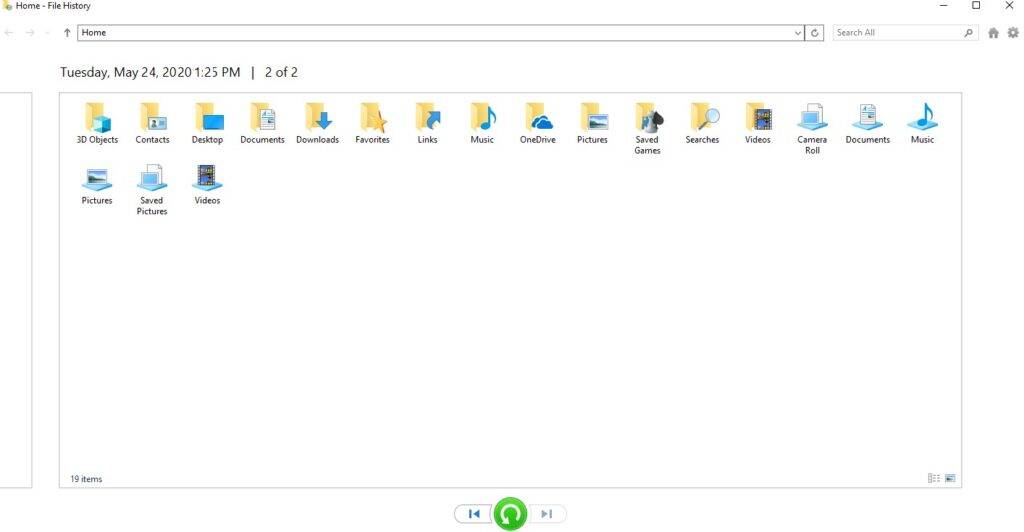
- On the Windows search bar, type Restore your files with File History and open it. This only works if File History was turned on with an external drive or network location before the file was lost.
- Once you are in the File History folder, browse or search for the file you want and use the arrows at the bottom to pick an earlier date. Then click the green Restore button to recover the lost file to its original location.
- If you wish to recover the file to a different location other than its original location, right-click on the Restore button and select Restore To.
Check the OneDrive recycle bin
If your Desktop, Documents or Pictures folders sync to OneDrive, a file you deleted on your PC also moves to the OneDrive recycle bin. Sign in at onedrive.com, open Recycle bin, select the file and click Restore. For personal Microsoft accounts, items are usually kept there for 30 days. Our guide on how to back up your OneDrive account explains how to keep a second copy.
Recover lost files on Windows 10 and 11 using data recovery software
You are unable to find your deleted file in the Recycle Bin and you tried the backup features, but still no luck. The next option is data recovery software, which scans the drive for files that were deleted but not yet overwritten.
Windows File Recovery (free, from Microsoft)
Microsoft’s Windows File Recovery tool is free from the Microsoft Store and works on Windows 10 (version 2004 and later) and Windows 11. It runs from the command line, using the winfr command, so it’s less friendly than other apps, but it costs nothing. You choose the source drive, a different destination drive and a mode, and it saves whatever it finds to the destination.
Third-party recovery apps
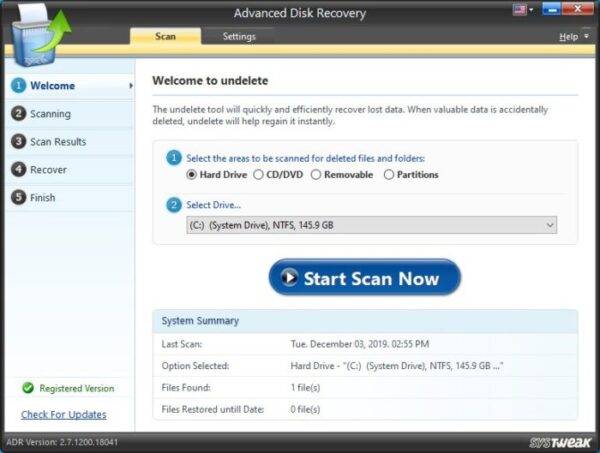
If you’d rather click than type commands, there are many paid tools with a simple interface, quick and deep scans, filters by file type or date, and a preview before you recover. Most offer a free scan, so you can see whether your file is recoverable before paying. Our roundup of data recovery software for Windows PC compares the main options.
A few rules make recovery more likely to work:
- Stop using the drive as soon as you notice the file is gone.
- Install the recovery tool on a different drive if you can.
- Always save recovered files to another drive, never the one you’re scanning.
- On SSDs, act fast. A feature called TRIM can clear deleted data quickly, so recovery chances drop with time.
Which recovery method should you try first?
I’d always work from the simplest method to the most involved: Recycle Bin, previous versions, your backups, OneDrive, and only then recovery software. And once you have your file back, turn on File History or OneDrive backup so the next accident is a two-click fix. You’ll find more guides like this in our technology section.
Also read: Fix: The Disk you Inserted was not Readable by this Computer